Presswood pallets are an eco-friendly and cost-effective alternative to traditional wooden pallets, made from recycled wood fibers and waste farm land residues. The production of these durable pallets involves a meticulous process that ensures their strength, reliability, and sustainability. In this article, we’ll take you through the step-by-step production process of presswood pallets, showcasing how they are made and why they are an ideal choice for businesses focused on efficiency and environmental responsibility.
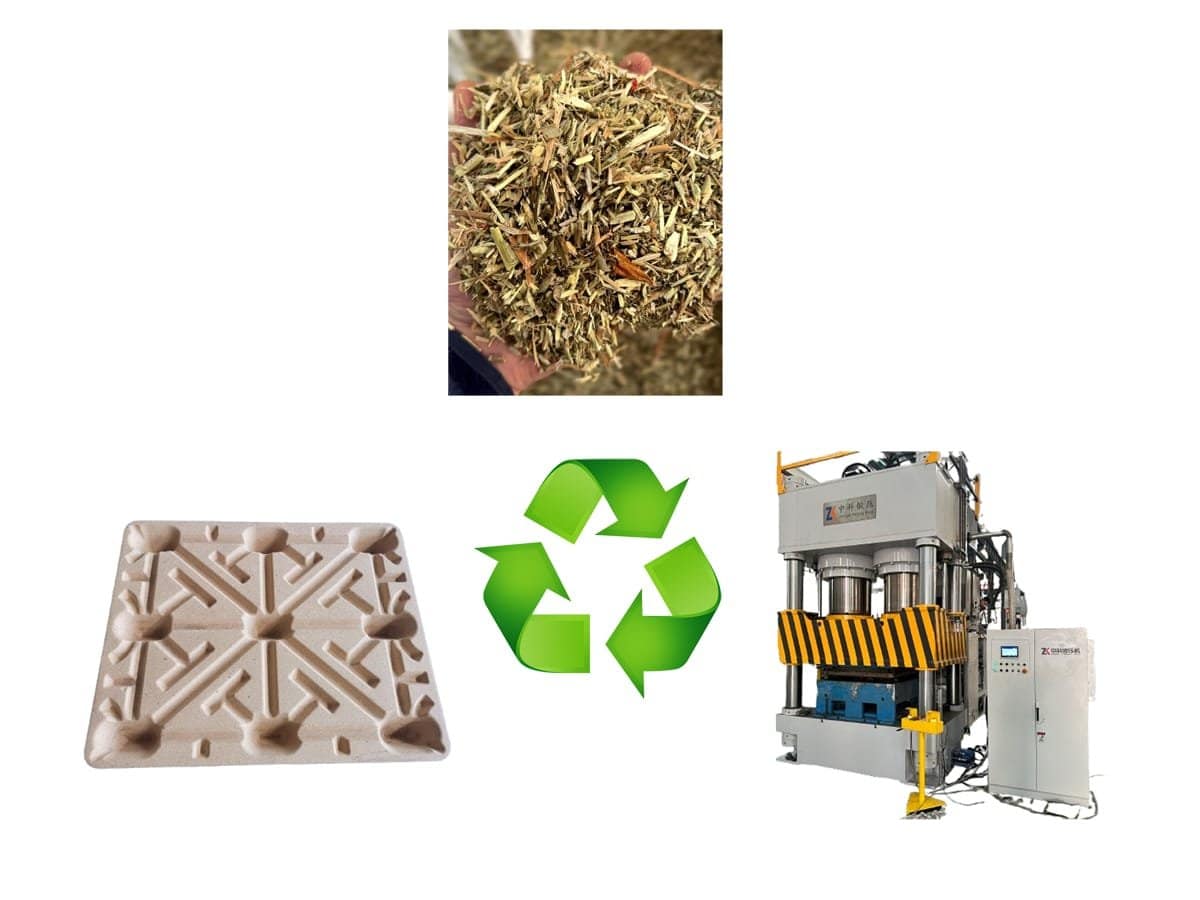
The Production Process of Presswood Pallets: A Step-by-Step Guide
1. Sourcing and Preparation of Raw Materials
The first step in the production of Presswood pallets is sourcing the raw materials. These pallets are made from recycled wood fibers, wood waste, and other farm land residues. By using recycled materials, the process reduces the demand for virgin wood and contributes to a circular economy. The wood waste is carefully selected to ensure quality and consistency in the final product.
The presswood raw materials can be waste wood scraps, coconut fiber, rice husk, palm branches, wheat straw, chili stalks, flax, miscanthus…
The following article provides a detailed explanation of the various raw materials that can be used to produce molded pallets:
Pressed Pallets Production Raw Material
Key Points:
- Use of 100% recycled wood fibers and waste materials.
- Sustainable sourcing to minimize environmental impact.
- Ensures high-quality raw materials for durable pallets.
2. Wood Fiber Treatment
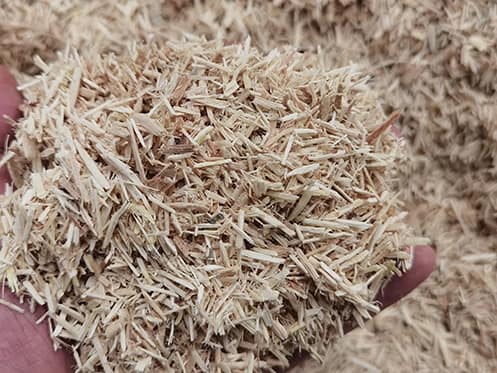
Once the raw materials are sourced, the agricultural waste recycling wood fibers undergo a treatment process. The wood waste is finely shredded and processed to break it down into smaller fibers. This ensures that the fibers are uniform in size and consistency, which is crucial for molding the pallets into a solid and sturdy structure.
As our experience, the shredded wood chips size 5mm-15mm is better for producing molded pallets.
Key Points:
- Wood waste is shredded into smaller fibers for uniformity.
- Fiber treatment ensures strong and durable pallets.
- Prepares the materials for the next molding step.
3. Drying
The crushed wood shavings must be thoroughly dried before use. Only well-dried wood shavings can bond tightly with the adhesive inside the mold, resulting in stronger pallets that are less likely to deform or grow mold.
If UF (Urea Formaldehyde) resin is used, the moisture content of the dried wood shavings must be below 8%.
If MDI adhesive is used, the ideal moisture content should be between 13% and 17%.
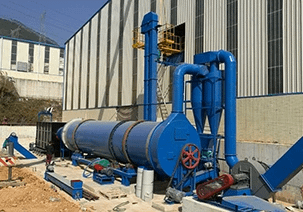
For more information on how wood moisture content affects pallet quality, please refer to the article below:
The Impact of Moisture Content in Wood Chips in Molded Pallet Manufacturing
4. Glue Mixing
The glue mixer is used to blend wood shavings and adhesive thoroughly. Inside the machine, the glue and wood shavings are evenly mixed to ensure a consistent composition.
For UF (Urea Formaldehyde) resin, the mixing ratio of glue to wood shavings is 15% : 85%, while for MDI adhesive, the ratio is 5% : 95%.
The mixing process should last at least 30 seconds to achieve a uniform and well-blended mixture.
For more information about adhesives used in molded pallet production, please refer to the article below:
Glue for Presswood Pallet Production: Comparing UF, MUF, and MDI Adhesives

5. Pressing and Molding
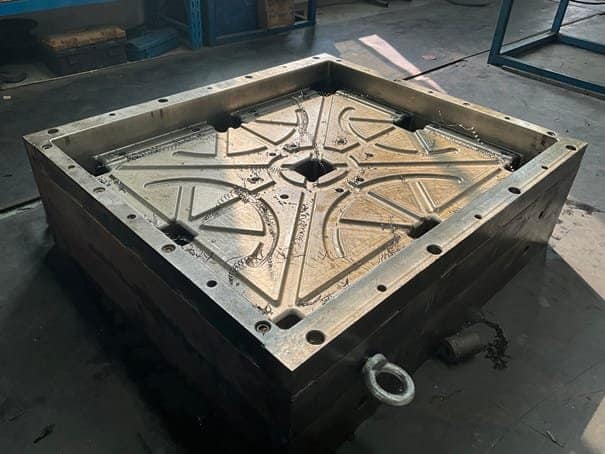
The treated wood fibers are then molded into pallets using a high-pressure press. During this step, the fibers are heated and pressed into molds under high temperature and pressure. The heat causes the fibers to bond together, creating a solid, uniform structure that forms the presswood pallet. This molding process gives the pallets their strength and durability, making them resistant to cracking, splintering, and warping.
Key Points:
- High-pressure pressing ensures strength and durability.
- Molding under heat and pressure creates a uniform, solid structure.
- Results in pallets that are resistant to damage from rough handling or harsh conditions.
6. Cooling and Drying
After the molding process, the newly formed presswood pallets are allowed to cool and dry. This cooling phase ensures that the pallets retain their shape and firmness. Any excess moisture is removed during the drying process, making the pallets more resistant to mold and other environmental factors that could compromise their integrity.
Key Points:
- Cooling and drying solidify the structure and prevent deformation.
- Reduces moisture content to improve the pallet’s longevity.
- Ensures that the pallets are ready for use in various environments.
7. Quality Control and Inspection
Each batch of presswood pallets undergoes a thorough quality control inspection. This step ensures that the pallets meet industry standards for strength, size, and overall quality. Pallets are checked for uniformity, durability, and any potential defects, ensuring that they are safe and reliable for transporting goods.
Key Points:
- Pallets undergo strict quality control measures.
- Inspection checks for strength, durability, and consistency.
- Ensures that only high-quality pallets are distributed to customers.
8. Finishing Touches and Packaging
Once the pallets pass quality control, they are given their final touches. This may include adding logos or labels, and sometimes applying protective coatings to further enhance durability. The finished pallets are then packaged and prepared for shipment to customers worldwide.
Key Points:
- Pallets are branded with logos or labels for identification.
- Optional protective coatings for added durability.
- Ready for shipping and use in logistics operations.
Why Choose Presswood Pallets?
The production process of presswood pallets ensures that each pallet is not only strong and durable but also environmentally friendly. Made from recycled materials, these pallets help reduce deforestation and minimize waste, making them a sustainable choice for businesses. Whether you are focused on cost-efficiency, strength, or reducing your environmental impact, presswood pallets offer a reliable and green solution for all your logistics needs.
PalletsBiz is a professional manufacturer of presswood pallet machines and molds. With more than a decade of industry experience, we provide fully automated production lines and one-stop solutions—from raw material preparation to mold design, machine manufacturing, installation, and after-sales support.
Switch to presswood pallets and enhance the efficiency and sustainability of your supply chain today!